
RESPIRATOR FIT TESTING SERVICES
N95, HALF AND FULL FACE, SCBA FACE MASKS
QUANTITATIVE and qualitative services
ACCURATE, FAST, HYGENIC
We make the respirator (mask) fit testing process seamless, efficient, sanitary, and tailored to the client's needs. Providing both Quantitative Fit Testing and Qualitative Fit Testing methods, our team will ensure you’re in full compliance with CSA Standard Z94.4-18 (2023) - Selection, Use, and Care of Respirators.
Styles of Respirators we Fit Test include:
N95 Respirators (N95 Masks)
Half Face Elastomeric Respirators
Full Face Elastomeric Respirators
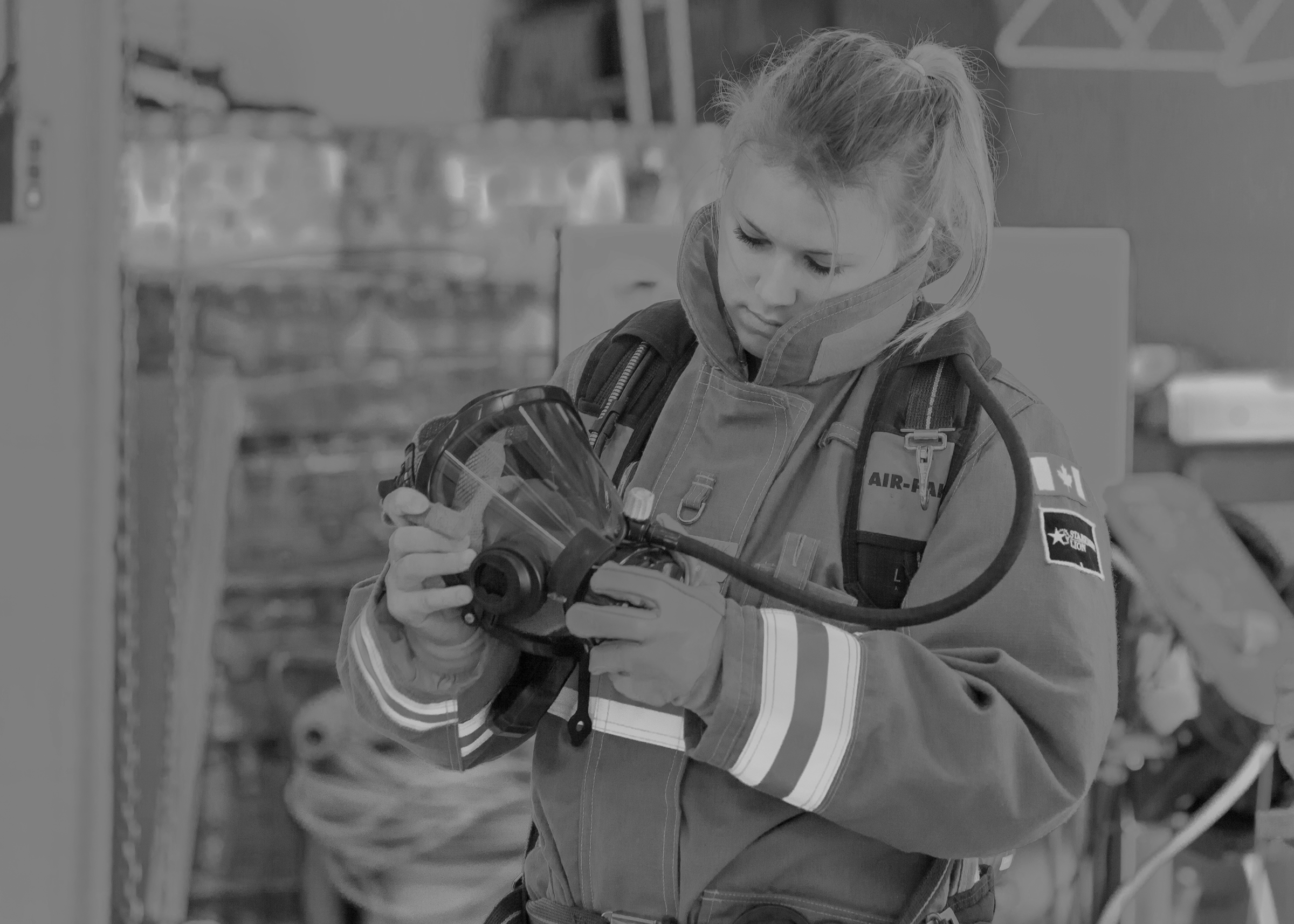
Self-Contained Breathing Apparatus Face Pieces (SCBA Respirators)
Tight-Fitting Powered Air Purifying Respirators
We cover everything from N95 Respirators, Half-Face and Full-Face Respirators, as well as Self-Contained Breathing Apparatuses (SCBA). While some equipment can be tested using Qualitative methods, Self-Contained Breathing Apparatus Face Pieces must be fit tested using Quantitative Fit Testing, and the testing results must show a minimum Fit Factor of 1000. Fortunately, we aim higher than the minimum through our expert Fit Testers. With over 10 Years of Fit Testing Nurses, Firefighters, Personal Support Workers (PSWs), Dentists and Dental Hygienists, Paramedics, Police, Hazardous Material (HazMat) and Emergency Response Teams (ERT), Maintenance Staff and Millwrights, and more, our team has deep experience to ensure you get the best service.
To help your staff have the proper fit on the job, we will also provide training during the fit testing appointments so they know how to properly Put On (Don) the Respirator in order to maintain a tight seal, Take Off (Doff) the Respirator to prevent cross contamination from chemicals and biologicals on the outside of the equipment, and how to properly clean, maintain, and meet hygiene requirements so that they get the most out of their Respirator.
FREQUENTLY ASKED QUESTIONS
How often is respirator fit testing required?
Answer - The short answer is every 2 years. However, more frequent fit tests may be required. See Question 2.
Are there situations when a worker will need a fit test prior to their 2 year expiry?
Answer - There are a number of situations that can require a worker to complete another fit testing to ensure they have a proper seal between their face and the respirator including:
A new type of respirator is provided to the work to use that they have not previously been fit tested on (new make, model, or size of respirator).
There is a change in the worker’s physical condition that could affect the respirator’s fit including, but not limited to, significant weight change, or changes to facial structure or dental features. This could be due to planned or unplanned surgeries, or dental apparatuses such as braces.
When the user is experiencing significant discomfort during the use of the respirator or when completing the seal check prior to use.
When there is a change to or addition of Personal Protection Equipment (PPE) that could affect the respirator (firefighter’s helmet, balaclava, CSA hardhat, bump cap, faceshield, welding helmet).
Note: This comes from CSA Standard Z94.4-18 - Selection, Use, and Care of Respirators - Section 9.1.6
Top Question: How clean shaven do I need to be for my fit test?
Answer - Very shaven. Seriously, the honest answer is that your respirator needs to be able to create a tight seal to your face without anything obstructing it from making that tight seal. The seal is critical to keeping contaminants out of the worker’s breathing zone within the respirator. If there is a breach in the wall of the respirator, air will be pulled in through that gap instead of through the respirator’s filters or cartridges. The CSA Standard Z94.4-18 within Annex P shows examples of acceptable and unacceptable facial hair. That should be taken as the guide for acceptable facial hair, but another good reference to review is the United States Centers for Disease Control and Prevention - Fit Testing Page. Again, make sure there is no facial hair obstructing or crossing the area where the respirator needs to seal to your face.
How often do I need to shave my face to achieve a tight-fitting seal with the respirator?
Answer - Frequency enough that the hair does not interfere with the respirator sealing, and any hair that is within the respirator breathing zone is short enough that it does not interfere with the valve of the respirator inside the respirator (blocking it or keeping it open). CSA Standard Z94.4-18 - Section 9.2.2 generally requires shaving within the previous 24 hours. Within 12 hours is preferred. That said, some individuals who can grow facial hair quickly may need to shave more frequently if they are experiencing issues or a lack of a proper seal during their respirator seal test.
Can a hijab or balaclava be worn while wearing a respirator?
Answer - Absolutely! Just make sure that the fabric is pulled back slightly while fitting the respirator so that the respirator doesn’t accidentially get placed over top of the fabric. The fabric too can create a gap between the respirator wall and the user’s face not allowing for a tight face fit. Once the respirator has been fitted and the seal check is complete, reposition a hijab, or for firefighters, a balaclava over top of the respirator. If layering other types of clothing or Personal Protective Equipment, call us and we can advise on the best approach.
I wear glasses. How can I wear glasses if the glasses’ arms will interfere with the respirator’s seal?
Answer - There are Respirator Spectical Kits. Manufacturers offer them for their make of respirators to allow for a user to have prescription / corrective lenses that will fit into the frames that mount into the respirator without interfering with the respirator’s seal. Contact the specific respirator’s manufacturer to find out more information on the respective Spectical Kits and for assembly options.